Home Textiles · Table Setting
A Tablecloth for Every Gathering: Comparing Fabric, Drape, and Care
A tablecloth does more than cover a surface. It softens a room, frames a meal, and sets the mood before the first plate is placed. Choosing well means weighing fabric, weave, shape, and upkeep together—so the cloth feels as natural at an everyday lunch as it does at a candlelit dinner.
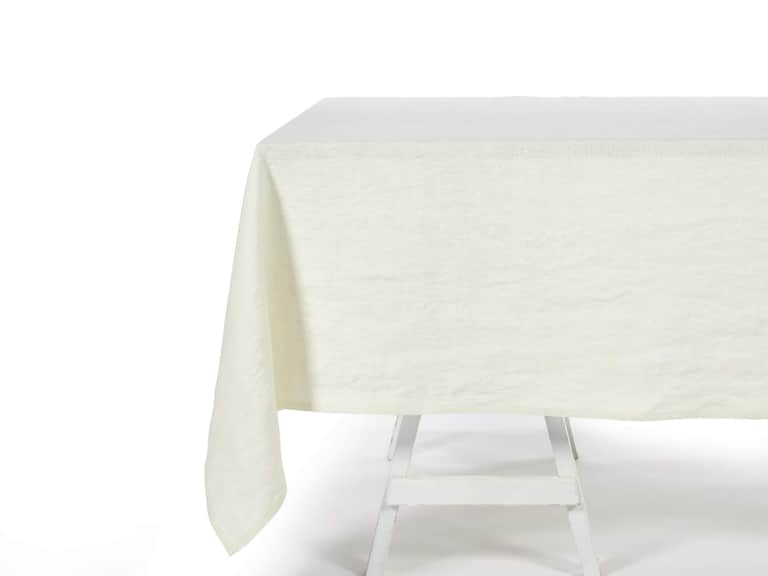
Among the quieter decisions in a home, a tablecloth has an unusually visible effect. It can make a bare table feel considered, lend warmth to a weekday supper, or bring a sense of occasion to a gathering without requiring an elaborate centerpiece. Its influence comes partly from color and texture, but just as much from the way the textile falls: a crisp edge creates definition; a softer drape feels relaxed; a little natural creasing can give a setting the ease of something lived in.
The right choice is not simply the most formal or the easiest to wash. It is the cloth that suits the table, the pace of the household, and the kinds of meals that happen there. Fabric determines how a tablecloth feels under the hand and how it behaves after laundering. Shape and dimensions decide whether it hangs evenly or catches on knees. Care requirements determine whether the piece becomes a reliable part of daily life or stays folded away for rare occasions.
This guide explores the details that matter: common tablecloth materials, the character of different weaves, how to calculate a useful overhang, and what to consider before committing to a laundering routine. The aim is a table linen that looks beautiful in use—not only when newly pressed and untouched.
Begin with the life of the table
Before comparing fibers, consider what your table is asked to do. A dining table used for breakfast, homework, and informal dinners needs a different rhythm of care from a table reserved for celebrations. The first may benefit from a cloth that can be washed frequently and handled without ceremony. The second may invite finer texture, a longer drop, or a finish that gives the room a more formal note.
Think, too, about the table’s surroundings. A substantial wooden table can look striking beneath a soft, finely textured linen, while a slender modern table may call for a cleaner, more restrained fall. Patterned dinnerware and a richly grained surface often work best with a quieter cloth. Conversely, a simple white setting can welcome a textured or colored textile that supplies the visual interest.
Practical questions deserve equal weight. Are meals usually served directly from the table? Do children or pets share the space? Is there room for a generous overhang, or would a long edge become inconvenient? A tablecloth should make daily use more pleasant, not introduce a new source of fuss. Establishing these priorities early makes it easier to judge the differences between fabrics with clarity.
Linen: relaxed texture, elegant movement
Linen has a tactile, quietly expressive quality that makes it compelling for both everyday meals and special occasions. Made from flax fibers, it is known for a natural texture and a fluid, substantial drape. Its surface may carry small variations that give the cloth depth rather than a perfectly uniform finish. Over time, linen often softens with use and washing, developing a more relaxed character.
That ease is part of its appeal. Linen can look composed without appearing stiff, and its folds bring a sense of movement to the table. It suits simple place settings particularly well: clear glass, understated ceramics, and a few natural details allow the cloth’s texture to remain the focus. A stonewashed finish, such as that used on the Hudson Tablecloth, brings a softened hand and an already relaxed appearance. Made from 100% linen, it is designed to work for everyday use as well as more dressed occasions.
Natural creasing is also one of linen’s defining considerations. Those who prefer a crisp, immaculate surface may find that linen asks for more pressing than they want to provide. Others regard its creases as part of the fabric’s charm, especially in a casual or rustic setting. The distinction is one of taste, but also of expectations: linen is rarely at its most convincing when treated as though it were a perfectly smooth synthetic fabric.
Care should follow the product’s label, since finishes and construction can affect the best laundering method. In general, gentle handling and prompt attention to spills help preserve the textile. Allow enough space in the wash for the cloth to move freely, and avoid treating stain removal as an afterthought. If a smooth finish is desired, pressing while the fabric is still slightly damp can be useful; for a softer effect, careful drying and a light hand with the iron may be preferable.
Cotton: familiar, versatile, easy to live with
Cotton remains a natural choice for households looking for a comfortable balance of softness and practicality. Its hand can range from crisp and cool to smooth and substantial, depending on the yarn, weave, and finish. Cotton tablecloths are available in a wide variety of colors and patterns, making them easy to adapt to changing seasons or different styles of table setting.
For everyday use, cotton’s familiarity is a virtue. Many cotton table linens can be laundered at home, although the label should always guide temperature, detergent, and drying choices. A cotton cloth may wrinkle, particularly after washing, but pressing is generally straightforward. Its feel and appearance also tend to suit many kinds of dining rooms, from informal kitchens to more traditional spaces.
Construction makes a difference. A closely woven cotton can feel crisp and hold a defined edge, while a softer finish may create a more casual drape. Heavier cotton can offer a sense of substance and greater coverage; lighter cloth may feel airy, though it can shift more easily on a smooth tabletop. When choosing, consider not only the fiber name but also the cloth’s weight, surface, and seam finish.
Color deserves attention as well. Pale shades can make a setting feel fresh and open, but they may show food and drink marks quickly. Deeper hues can be more forgiving visually, yet they may require care to maintain color over repeated washes. For a frequently used table, a practical color is often one that works with the room and does not make every small mark feel like an emergency.
Polyester and blends: a lower-maintenance approach
Polyester and cotton-polyester blends appeal to people who want a tablecloth that resists wrinkles and requires less pressing. These fabrics can be useful for busy dining areas, event tables, or households where a quick wash-and-return routine matters more than a completely natural fiber. They are commonly designed to retain their shape and color through regular use, though performance varies by textile and finish.
The trade-off is often in the hand and drape. Some polyester cloths have a smoother or more uniform surface than linen or cotton, while blends may temper that effect with the softness of cotton. Depending on construction, a synthetic fabric can feel lighter and less absorbent, or it may be woven to give a more substantial impression. Handling a sample, when possible, offers a better sense of texture than relying on a fiber description alone.
“Easy care” should not be read as “care-free.” Check the label for washing temperatures, drying instructions, and restrictions on ironing. High heat can damage some synthetic fibers, and aggressive stain treatments may affect color or finish. A low-maintenance cloth is most useful when its actual care requirements fit the household’s routine rather than when its description simply sounds convenient.
Weave, weight, and finish: the details behind the feel
Fiber content tells only part of the story. Weave influences how a tablecloth looks, how it feels against the hand, and how it falls around the table. A plain weave generally creates a balanced, straightforward surface. A more textured construction can add depth, while a satin-like finish may create a smoother face with a subtle sheen. Each has a different relationship with light and with the dinnerware placed above it.
Weight matters because it affects both drape and stability. A heavier cloth tends to hang with more authority and may remain in place more readily, though it can feel formal or cumbersome on a small table. Lightweight fabric can create a delicate, airy effect but may move when diners sit down or when dishes are served. A medium-weight textile often provides a versatile middle ground, particularly for a dining table used across a range of occasions.
Finishing treatments can alter a fabric’s softness, texture, and appearance. A stonewashed finish, for example, gives linen a less pristine, more relaxed hand. Other finishes may create a smoother surface or enhance color. Because these treatments influence the way a textile behaves, care instructions should be treated as part of the purchase decision, not as fine print to consult later.
Finally, inspect the edges and seams. Well-finished hems help a cloth hang neatly and withstand repeated handling. A generous hem can contribute visual weight at the edge, while a narrow finish may look more minimal. The quality of these details becomes especially noticeable when the tablecloth is viewed from the side or when the cloth is used without a runner to interrupt its outline.
Finding the right shape and overhang
A beautiful fabric cannot compensate for the wrong dimensions. The cloth should fit the shape of the tabletop and fall evenly on all sides. Begin by measuring the table’s length and width—or its diameter, for a round top. Then decide how far you want the textile to extend beyond the edge. That distance is the drop, or overhang.
For a practical everyday setting, a modest drop can keep the cloth clear of laps and chairs. For a more formal table, a longer fall can create a graceful silhouette. There is no single correct overhang: room layout, chair height, and personal preference all matter. The important thing is consistency. An uneven drop can make a well-made cloth appear poorly fitted, while a balanced fall gives even a simple setting a sense of intention.
Use a straightforward calculation: add twice the desired drop to each tabletop measurement. For a rectangular table, add the drop to both ends and both sides. For a round table, add twice the drop to the diameter. If your table has an unusual shape or a thick edge, measure carefully and consider how the cloth will sit when chairs are pulled out.
Shape should follow the table’s outline where possible. Rectangular cloths suit rectangular and oval tables, while square or round options are often chosen for corresponding tops. A deliberate contrast can work, but an incompatible shape may create awkward corners or uneven coverage. If the table expands with leaves, check its dimensions in both everyday and extended configurations before settling on a size.
Do not overlook the people seated around it. A long overhang may brush the knees, interfere with chair movement, or invite small hands to tug at the edge. The ideal drop balances appearance with comfort. A tablecloth is at its best when it frames the meal without getting in the way of conversation.
Casual meals and special occasions
For a frequently used dining table, choose a cloth that feels inviting and can tolerate regular laundering. A durable cotton or a practical blend may suit a household that eats at the table every day. Linen can also be an excellent everyday option when its texture and natural creasing are welcome and its care instructions are manageable. A close-fitting or moderate drop can make the cloth easier to live with during busy meals.
When dressing the table for a special occasion, consider how the cloth will interact with the whole setting. A longer drop can give a formal table a sense of ceremony, while a restrained color allows glassware, flowers, or patterned china to take the lead. Alternatively, a richly textured textile can become the main decorative element, with the rest of the table kept simple. The most polished arrangements usually have a clear point of view rather than many competing details.
Season can offer a useful guide without dictating a theme. Light, pale textiles may feel fresh in warmer months; deeper colors and more substantial textures can lend a room warmth in cooler weather. Yet versatility is valuable. A neutral cloth can shift character with different napkins, ceramics, or centerpieces, making it a more useful foundation than an item tied to only one holiday or color scheme.
For gatherings, prepare the cloth in advance. Check for marks, confirm that it is the right size, and press or steam it if needed. If it has been stored folded, allow time for creases to relax. Small preparations make the finished table feel calm rather than hurried, and they leave more attention for the meal itself.
A thoughtful table linen care routine
Care begins before the first wash. Read the label and keep its instructions accessible, particularly if the fabric has a special finish or a specific drying requirement. Different fibers respond differently to heat, agitation, and detergents. Following the stated guidance is the safest way to protect both color and construction.
After a meal, deal with spills promptly. Blot rather than rub, since vigorous friction can spread a stain or roughen the surface. Remove food particles gently before laundering. For a stain, test any treatment on an inconspicuous area and avoid combining cleaning agents. The right approach depends on the fabric and the substance involved, so cautious, label-compatible treatment is preferable to a forceful remedy that may leave a permanent mark.
Wash table linens with similar colors and avoid overloading the machine. Too much crowding can prevent a thorough rinse and encourage creasing. Use a detergent appropriate for the textile, and choose a cycle that respects its care instructions. If the cloth is especially large, confirm that the machine can accommodate it comfortably; a tightly packed wash can place unnecessary strain on seams and hems.
Drying is part of the finish. Some fabrics benefit from line drying, while others may tolerate a machine dryer on a low setting. Remove the cloth promptly to reduce set-in wrinkles. When ironing is permitted, check the recommended heat and consider pressing from the reverse side if the surface has a sheen or delicate finish. A steamer can be useful for easing folds, but it should also be used in accordance with the textile’s care guidance.
Before storing the tablecloth, make sure it is completely dry. Fold it loosely and keep it in a clean, dry place away from direct sunlight, which can gradually alter color. For pieces used often, simple storage that makes them easy to reach encourages regular use. A tablecloth should not feel so precious that it is never brought to the table.
How to make a tablecloth feel considered
Styling need not be elaborate. Start with the cloth, then choose a small number of elements that complement rather than compete with it. A textured linen can sit beautifully beneath plain dinnerware; a patterned cloth may be all the decoration the table needs. Repeating one color in napkins, flowers, or candles can bring coherence without making the arrangement feel overly coordinated.
Layering can be useful when it serves a purpose. A runner may define the center of a long table, but it is not essential, particularly when the tablecloth already has a strong texture or finish. Placemats can protect the cloth during everyday meals and introduce another surface, though mixing several patterns and materials can make a setting feel busy. Choose layers for comfort and function first, and let visual balance follow.
Consider the cloth in relation to the room, not just the tabletop. The surrounding chairs, floor, and lighting affect how color reads. A warm neutral may appear more golden in evening light, while a cool gray can feel sharper in a bright room. If possible, view the textile in the space where it will be used and at different times of day.
A practical comparison before you choose
- For natural texture and a graceful drape: Consider linen, especially if its relaxed creasing feels appealing rather than inconvenient.
- For a familiar, versatile option: Cotton offers a wide range of weights, finishes, colors, and patterns, with care requirements that depend on its construction.
- For less pressing and straightforward upkeep: Polyester or a blend may be worth considering, provided the fabric’s feel and appearance suit the table.
- For an everyday dining table: Prioritize a washable fabric, a workable drop, and a color that fits your routine.
- For formal settings: A more generous overhang, carefully finished edges, and a considered texture can create a sense of occasion.
- For any table: Measure the top, check the care label, and decide how you want the cloth to fall before choosing a size.
These are useful starting points, not rigid rules. A natural fiber can be practical in a busy home, and a low-maintenance fabric can still look refined. The most satisfying tablecloth is the one whose appearance and upkeep make sense together.
The lasting appeal of a well-chosen cloth
Table linens occupy an intimate place in domestic life. They are present at ordinary breakfasts and long dinners, in quick weekday meals and in the gatherings that stretch into the evening. A good tablecloth does not need to announce itself. It gives the table a finished feeling, softens the room, and makes repeated use feel deliberate.
Choose with the whole experience in mind: the texture beneath your hands, the line of the fabric at the edge, the space left for diners, and the care you are willing to give it afterward. Fabric, weave, and finish each contribute to the cloth’s character, while dimensions determine whether it belongs naturally to the table. When those details align, practicality and elegance cease to be competing ideas.
Whether the choice is easy-care cotton, a durable blend, or textured linen with a relaxed fall, the best tablecloth is one that earns its place in daily life. It should be beautiful enough to set the mood and useful enough to be brought out again tomorrow.